Adding a Personal Touch with Rother Script Font
You know that feeling when you're scrolling through your feed and a brand just catches your eye? It’s not always the colors or the photos—it’s often the typography. There’s something about a well-crafted script font that feels human, approachable, and instantly recognizable. If you’ve been searching for that perfect blend of elegance and simplicity for your next project, you might want to take a closer look at Rother Script. This monoline script typeface has that smooth, flowing quality that works beautifully across so many different applications, from wedding invitations to brand identities.
What Makes This Monoline Script Stand Out
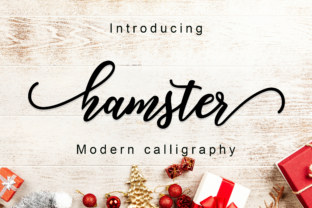
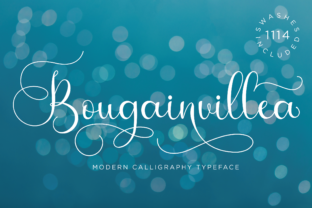
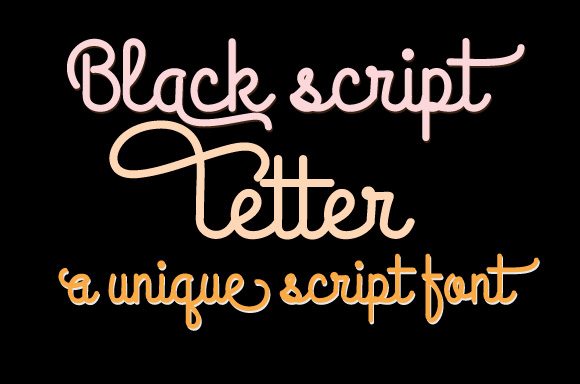
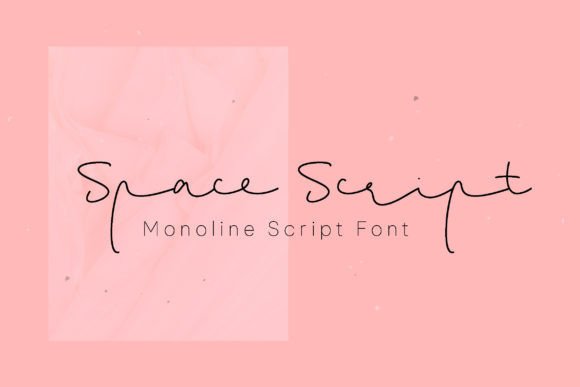
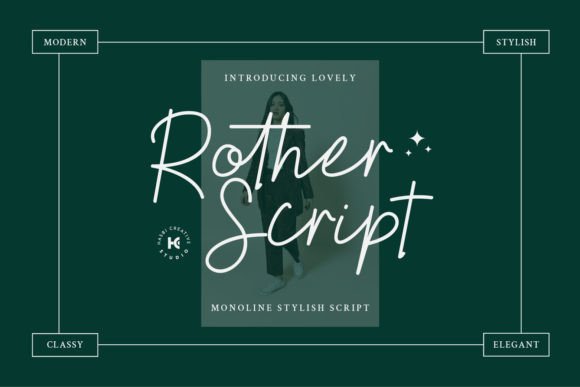
At its core, Rother Script is a monoline typeface, which means the strokes maintain a consistent weight throughout each letterform. Unlike some calligraphic fonts that vary between thick and thin lines, this approach gives the font a cleaner, more modern feel while still retaining that handwritten charm. The delicate curves and smooth connections between letters create a sense of fluidity that feels natural without being messy.
What’s particularly appealing about this typeface is its versatility. It doesn’t scream for attention, but it doesn’t disappear into the background either. It strikes that balance where it feels sophisticated enough for high-end branding yet approachable enough for casual, everyday projects. Whether you’re designing a logo for a boutique bakery or creating social media graphics for a lifestyle blog, Rother Script adapts to the mood you’re trying to set.
Where This Script Font Really Shines
Let’s talk about real-world applications, because that’s where a font either proves its worth or falls flat. Here are some areas where this particular typeface tends to work exceptionally well:
- Branding and Logo Design: If you’re building a brand identity that needs to feel personal and warm, a script font like this one can become the cornerstone of your visual language. Think about boutique brands, artisanal products, or service-based businesses that want to convey a sense of care and attention to detail.
- Wedding and Event Invitations: There’s a reason script fonts remain a staple in the stationery world. The flowing letterforms evoke a sense of celebration and formality without feeling stuffy. Rother Script works beautifully for save-the-dates, RSVP cards, and event programs.
- Packaging Design: Whether you’re labeling handmade candles, gourmet foods, or skincare products, the right typography can elevate packaging from ordinary to memorable. This font pairs well with clean sans-serif typefaces, creating a balanced look that’s easy to read on shelves.
- Social Media Graphics: Instagram posts, Pinterest pins, and Facebook headers all benefit from typography that stands out in a crowded feed. Script fonts add personality and warmth, making your content feel more relatable and shareable.
- Website Headers and Blogs: While you wouldn’t want to set an entire blog post in a script typeface, using it for headlines, pull quotes, or accent text can add visual interest and break up long blocks of content.
- Print Materials: Business cards, flyers, posters, and brochures all offer opportunities to incorporate a script font strategically. It works particularly well for taglines, names, or call-to-action phrases that need a little extra emphasis.
- Merchandise and Digital Products: From T-shirts to mugs to digital planners, Rother Script lends itself well to products where typography is part of the design itself.
Pairing Rother Script with Other Typefaces
One of the most practical skills in design is knowing how to combine fonts effectively. A script font like Rother Script works best when it’s balanced with something more structured. Here are a few pairing ideas worth experimenting with:
- With a Clean Sans Serif: Fonts like Montserrat, Poppins, or Lato create a nice contrast. Use the script for headings or accent text and the sans-serif for body copy. This combination feels modern and professional.
- With a Classic Serif: Pairing with a serif typeface like Playfair Display or Georgia can create a more traditional, editorial look. This works well for magazines, blogs, and formal invitations.
- With a Minimalist Sans Serif: If you’re going for a sleek, contemporary aesthetic, try pairing Rother Script with something like Helvetica Neue or Futura. The contrast between the organic script and the geometric sans-serif creates visual tension that’s interesting without being overwhelming.
The key is to avoid pairing it with another script or handwritten font. Too many decorative typefaces competing for attention can make a design feel chaotic and hard to read. Let Rother Script be the star, and use supporting fonts to ground the layout.
Readability and Practical Considerations
While script fonts add personality, readability should always be a priority. Here are a few things to keep in mind when working with this typeface:
- Size Matters: Script fonts generally perform better at larger sizes. If you’re using Rother Script for a headline or logo, make sure it’s large enough that the letterforms are clear. Avoid setting it at very small sizes for body text, where the connecting strokes might become difficult to read.
- Contrast and Background: Ensure there’s enough contrast between the text and its background. Light-colored script on a busy or dark background can lose legibility quickly. Test your designs on different screens and in print to make sure the text holds up.
- Spacing and Kerning: Pay attention to the spacing between letters and words. Script fonts often need manual adjustments to look balanced, especially in logo design or headline usage. Take the time to fine-tune the kerning for a polished result.
- Context and Audience: Consider who will be reading your content and in what context. A playful script might work perfectly for a children’s party invitation but feel out of place on a corporate website. Match the font’s personality to your audience’s expectations.
Choosing the Right Font for Your Project
With so many premium fonts available, it can be tempting to download everything that looks appealing. But the best approach is to start with your project’s goals. Ask yourself what emotion or message you want to convey. If warmth, elegance, and a personal touch are part of your brand’s DNA, a monoline script like Rother Script is worth serious consideration.
Before committing to any font for a commercial project, always review the licensing terms. Most premium fonts come with clear guidelines about how they can be used—whether for personal projects, commercial work, or both. Understanding these terms upfront saves headaches later, especially if you’re designing for clients or selling products that feature the typography.
Take the time to experiment with different font pairings, test your designs across platforms, and gather feedback from your target audience. Typography is one of those design elements that people might not consciously notice when it’s done well, but they’ll definitely notice when something feels off. Getting it right builds trust, reinforces your brand identity, and makes your work look more polished and professional.
Whether you’re a seasoned designer looking to expand your font library or a small business owner crafting your first brand identity, having a versatile script typeface in your toolkit opens up creative possibilities. Rother Script offers that combination of elegance and simplicity that can adapt to a wide range of projects, helping you create designs that feel intentional, cohesive, and genuinely connected to your audience.