Rotterdalle Script: Crafting Authentic Visuals with Energy
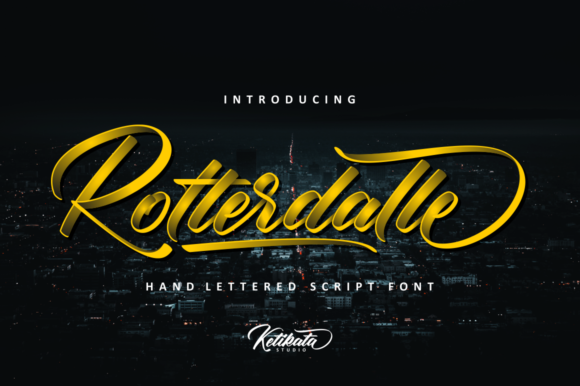
There is a specific moment in every creative project where the typeface either captures the raw energy of the concept or falls completely flat. If you have ever sketched a logo on a napkin, trying to capture a youthful, hand-lettered vibe, you know the struggle of translating that organic flow into digital format. Most standard fonts are too rigid; they lack the human touch. This is where Rotterdalle Script enters the conversation. It isn't just another digital typeface; it is a carefully digitized sketch that brings a young, energetic, and distinct personality to your work. For designers, entrepreneurs, and content creators, finding a font that feels genuine without looking messy is the holy grail of typography.
The Anatomy of an Energetic Typeface
What makes Rotterdalle Script stand out in a sea of premium fonts? It comes down to its construction. The font was born from a hand-lettered sketch, which gives it an authenticity that purely digital vector scripts often lack. It retains the imperfections and the flow of a marker or brush pen, yet it has been refined enough to be used in professional settings. The visual appeal lies in its rhythm. The letters aren't static; they bounce and flow, creating a sense of movement on the page.
One of the most practical features of this script font is the connectivity. Anyone who has used a handwritten typeface knows the annoyance of letters that don't quite touch, leaving awkward gaps that ruin the illusion of natural writing. Rotterdalle was meticulously crafted so that each letter connects seamlessly. Whether you are using the standard characters or the alternates, the flow remains elegant and unbroken. This attention to detail ensures that your typography looks like actual handwriting rather than a computer simulation, which is crucial for building trust and visual appeal in branding.
Visual Consistency and Brand Recognition
For small business owners and brand strategists, typography is a pillar of visual identity. The font you choose for your logo sets the tone for your entire brand ecosystem. If your brand identity is built on being approachable, modern, and creative, a stiff serif font will send mixed signals. Rotterdalle Script offers a solution for brands aiming for a human-centric aesthetic.
Using a consistent typeface like Rotterdalle across your marketing assets—from your website header to your packaging labels—reinforces brand recognition. When a customer sees the same distinct, energetic lettering on an Instagram post and then again on a physical business card, it creates a cohesive experience. This consistency signals professionalism. It tells your audience that you pay attention to details, which translates to the quality of your product or service.
Practical Applications for Modern Creators
The versatility of Rotterdalle Script allows it to shine across a wide variety of mediums. It is not limited to one specific niche; rather, it adapts to the context of the design. Here is how different professionals can leverage this creative font:
- Logo Design and Branding: The primary use case. Its hand-lettered nature makes it perfect for lifestyle brands, boutique shops, and creative agencies looking for a signature look.
- Packaging Design: In a crowded retail market, packaging needs to pop. Rotterdalle works beautifully on labels for artisan goods, cosmetics, or food products, adding a touch of authenticity that suggests a handmade quality.
- Social Media Graphics: Attention spans are short. The bold, energetic style of this display font grabs the eye instantly. It is excellent for quotes, announcements, and Instagram Stories.
- Merchandise and Apparel: Script fonts are timeless in fashion. Whether it’s a t-shirt slogan or a tote bag design, the font’s flow translates well to fabric.
- Wedding Invitations and Stationery: The elegance of the connecting letters makes it a sophisticated choice for event stationery, offering a modern twist on traditional calligraphy.
- Editorial Layouts: Magazines and blogs can use Rotterdalle for pull quotes or section headers to break up text-heavy pages and add visual interest.
Pairing Fonts for Maximum Impact
While Rotterdalle Script is a showstopper on its own, typography rarely exists in a vacuum. Most projects require a secondary font for body text to ensure readability. Because Rotterdalle is a script font with high energy and detailed strokes, it pairs best with something simple and grounded.
A clean sans serif font is usually the best companion. The geometric simplicity of a sans serif provides a neutral canvas that allows the script to stand out without competing for attention. For example, using Rotterdalle for a main headline and a light-weight sans serif for the sub-headers creates a clear hierarchy. Conversely, pairing it with a heavy, bold serif might make the layout feel cluttered. When testing your font pairings, look for contrast in weight and style. You want the display font to do the heavy lifting for personality, while the body copy ensures the message is readable.
Navigating Alternates and Legibility
A key feature mentioned in the design of Rotterdalle is the inclusion of alternates. In typography, alternates are different versions of the same letter. This is vital for script fonts to prevent repetition. If you have three letter "e"s in a word, and they all look identical, it breaks the illusion of natural handwriting. By swapping in alternate characters, you can ensure that the text looks organic and varied.
However, creativity must always balance with readability. While Rotterdalle is excellent for headlines and short phrases, it is a display typeface. This means it is designed to be seen at larger sizes. Using a script font for long paragraphs of body text (usually 12pt or smaller) is generally a mistake, as it strains the reader's eyes. Reserve Rotterdalle for impact—titles, headers, and logos—where its unique character details can be fully appreciated.
Commercial Licensing and Project Goals
Before integrating any premium font into a commercial project, it is essential to understand the licensing. If you are designing a logo for a client, selling merchandise, or using the font in paid advertisements, you need a commercial license. This ensures that you have the legal right to use the design assets for profit. Always review the license terms associated with the font file to ensure compliance.
Ultimately, the goal of choosing a font like Rotterdalle is to align your visual communication with your project's objectives. If your goal is to appear authoritative and traditional, this might not be the right fit. But if you aim to be seen as fresh, approachable, and creative, this modern typography choice bridges the gap between digital precision and human artistry. It allows you to inject personality into your work, ensuring that your brand doesn't just speak to your audience, but resonates with them.