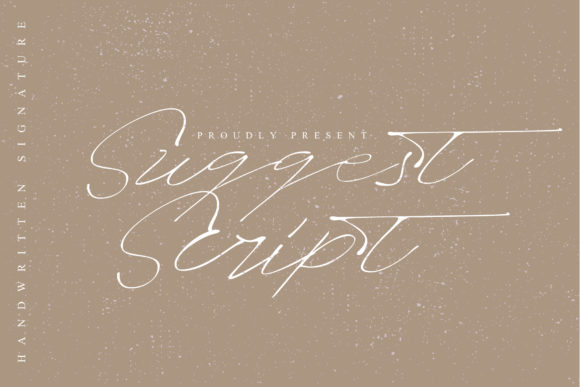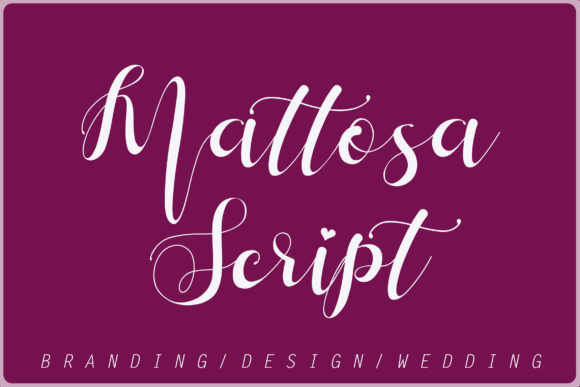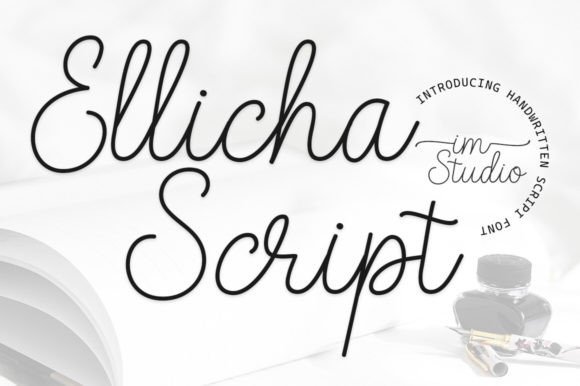
Gadhen Script: The Handwritten Font for Authentic Branding
You know the feeling. You’ve poured hours into crafting a logo, designing a social media post, or packaging a product, but something feels sterile. It lacks that human spark, that sense of a real person behind the brand. This is where a typeface like Gadhen Script enters the conversation. It’s not just another script font; it’s a tool designed to bridge the gap between professional polish and authentic, human connection. Its natural, handwritten character offers a solution for designs that need to feel approachable, personal, and memorable without sacrificing quality.
More Than Just Letters: The Personality of a Premium Script Font
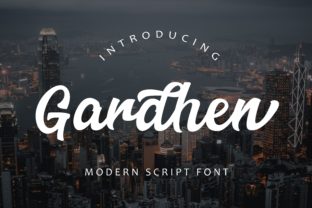
At its core, Gadhen Script is a display font with a distinct personality. Think of it as the typographic equivalent of a warm, confident handshake. The letterforms have a fluid, organic rhythm that mimics the slight imperfections and flow of actual handwriting. This isn’t a rigid, formal calligraphy; it’s a modern, accessible script that feels current and relatable. The strokes have just enough variation to create visual interest, guiding the eye smoothly from one character to the next. This quality makes it exceptionally effective for creating a specific mood—whether that’s cozy, creative, elegant, or casual—depending on the context and color palette it’s paired with.
The real value of a font like this lies in its ability to convey emotion quickly. A sans serif font says “clean and efficient.” A serif font says “traditional and authoritative.” A well-crafted script font like Gadhen says “crafted with care.” For a small business owner, this can be the difference between a logo that feels corporate and one that feels like it came from a passionate creator. For a blogger, it can turn a standard quote graphic into something that feels personal and shareable.
From Logo Marks to Packaging: Where This Font Shines
The practical applications for a versatile script font are vast, extending far beyond a simple logo. Its strength lies in projects where a personal touch elevates the final product.
- Brand Identity & Logo Design: Gadhen Script can serve as the primary logotype for brands in lifestyle, beauty, food, artisanal crafts, or boutique services. It works beautifully as a standalone wordmark or as an accent to a more structured sans serif or serif font in a combined lockup. Imagine it on a coffee shop’s signage or a handmade jewelry brand’s packaging—it immediately sets a tone of authenticity.
- Packaging & Merchandise: On product labels, hang tags, or tote bags, this font adds perceived value and a handmade quality. It’s perfect for highlighting a product name, a special “small batch” note, or a company motto. The flow of the script can guide the eye across a package layout in a way that feels natural and inviting.
- Digital Presence & Social Media: In the fast-scroll world of Instagram or Pinterest, a script font can stop the eye. Use it for impactful quotes, sale announcements, or story headings. It creates a strong visual hierarchy when paired with a clean sans serif for body text, making your graphics more engaging and professional.
- Print & Editorial Design: Think wedding invitations, boutique restaurant menus, or magazine feature headers. Gadhen Script brings elegance and personality to print materials, making them feel bespoke. In editorial layouts, it can be used for pull quotes or section dividers to add a touch of warmth to a multi-page document.
- Marketing & Digital Products: From email headers and webinar title slides to the cover of a downloadable PDF guide, using a distinctive script font helps create cohesive and recognizable marketing assets. It can make digital products like planners, worksheets, or social media templates feel more polished and valuable.
Making It Work: Practical Advice for Using Script Fonts Effectively
Adopting any new display font requires a thoughtful approach to ensure it enhances, rather than hinders, your communication. Here’s how to integrate a font like Gadhen Script successfully.
Pairing is Everything. Never use a script font for large blocks of body copy. Its charm lies in headlines and short phrases. The most effective strategy is to pair it with a highly legible neutral font. A simple sans serif like Open Sans or Lato creates a clean, modern contrast. A transitional serif like Georgia can offer a more traditional, balanced feel. Let the script font do the emotional heavy lifting in the headline, and let the paired font deliver the information clearly in the paragraphs below.
Context Dictates Choice. Match the font’s style to your project’s goal. Is the vibe playful and youthful? Use Gadhen in a bright color with rounded companion fonts. Is it elegant and luxurious? Try it in a dark hue like charcoal or navy with a refined serif. Always consider the overall visual language of your design. The font should feel like a natural member of the team, not an outsider.
Readability is Non-Negotiable. Test your designs at the size they’ll be viewed. A beautiful script can become illegible if used too small on a website or if the letters are too tightly spaced on a poster. Pay attention to the spacing (tracking and kerning) between letters. Most premium fonts come with alternate characters and ligatures—special letter combinations that improve flow and readability. Take the time to explore the OpenType features in your design software to access these.
Understand Your License. If you’re using the font for commercial work—for a client, for merchandise you sell, or for a business’s marketing—you must ensure you have the correct commercial license. Reputable font foundries and marketplaces are clear about licensing terms. This isn’t just a legal formality; it’s an ethical practice that supports the type designers who create these valuable assets.
Ultimately, a font like Gadhen Script is a design asset that offers a solution to a common creative challenge: how to look professional while still feeling human. By understanding its personality and applying it strategically, you can create visual communications that don’t just capture attention, but also build trust and connection with your audience. It’s about choosing typography that doesn’t just display words, but helps tell your story.