Bloody Script: Unleashing Gruesome Elegance in Design
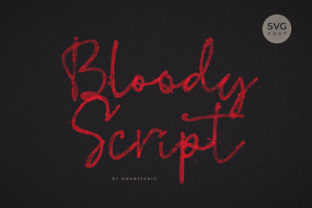
The Bloody Script is a prime example of a typeface designed specifically to bridge the gap between legibility and thematic intensity. It is not just another script font; it is a meticulously crafted horror font that utilizes a look-alike blood texture to give every letterform a dripping, organic quality. For designers, content creators, and entrepreneurs, this font offers a unique visual tool. It provides the aesthetic of hand-painted horror without the messy cleanup or the high cost of custom lettering.
The Visual Impact of a Textured Typeface
Practical Applications for the Macabre
- Logo Design & Brand Identity: If you are launching a brand that deals with gaming, gothic fashion, extreme sports, or entertainment, a logo set in Bloody Script establishes your identity immediately. It tells your audience exactly what kind of vibe to expect before they read a single word of your copy.
- Packaging Design: Product packaging relies on shelf appeal. For limited edition items, Halloween treats, or specialty hot sauces, this font can create a striking label. The visual weight of the font ensures your product stands out against competitors.
- Social Media Graphics: In the fast-scrolling world of Instagram and TikTok, you have milliseconds to stop a thumb. Using a textured, horror-themed font for announcements or sale graphics can disrupt the feed and force engagement. It works particularly well for event promoters or horror movie reviewers.
- Merchandise & Apparel: T-shirt typography is an art form. A design featuring Bloody Script works perfectly for streetwear brands or band merch. The SVG version of the font is particularly useful here, as it retains high-fidelity details that look great on fabric prints.
- Invitations & Editorial Layouts: Whether you are designing a haunted house flyer or laying out a page for a horror anthology, the font adds narrative weight. It sets the scene before the story even begins.
Technical Considerations: The SVG Advantage
The standard vector version is versatile and compatible with virtually all software, from Adobe Illustrator to Canva. It allows for easy scaling and color changes, making it a reliable workhorse for print materials and web design. However, the inclusion of an SVG (Scalable Vector Graphics) font version takes the design assets to a professional level.
Strategic Typography: Matching Fonts to Goals
First, consider readability. Script fonts, by nature, are more complex to read than sans-serif fonts. This is why Bloody Script should be reserved for display purposes. Use it for the title of a poster, the header of a website, or the main graphic on a t-shirt. Do not use it for body copy, instructions, or contact information. If your audience struggles to read your phone number or your terms of service, you risk losing the sale.
Second, think about font pairing. A font with such a strong personality needs a supporting cast. Pairing Bloody Script with a clean, neutral sans-serif font creates a beautiful contrast. The sans-serif provides the necessary legibility for details, while the script provides the emotion and branding. For example, a clean geometric sans-serif can ground the chaotic energy of the blood texture, creating a balanced and professional presentation.
Improving Audience Engagement Through Atmosphere
Licensing and Professional Use
- Print-on-Demand (POD): If you plan to sell merchandise through platforms like Redbubble or Etsy, ensure the font license allows for this specific usage.
- Logo Usage: Some licenses allow the font to be used in a logo but may require the text to be converted to outlines (outlines mean the text is no longer editable, which is standard practice for final logos anyway).
- Digital End Products: If you are creating templates to sell to others (like Canva templates), you usually cannot include the font file itself, but you can sell the flattened design.
Final Thoughts on Creative Assets