Mattosa Script: A Handwritten Font for Authentic Design
There's a particular kind of magic in a font that feels genuinely human. In a landscape often dominated by geometric precision and stark minimalism, the warmth of a handwritten typeface can cut through the noise, creating an immediate and personal connection with an audience. This is the core appeal of a typeface like Mattosa Script. It’s not just a collection of letters; it’s a design asset that carries the subtle imperfections and fluid rhythm of a natural hand, offering a powerful tool for anyone looking to inject authenticity and personality into their work.
The Allure of a Natural Handwritten Feel
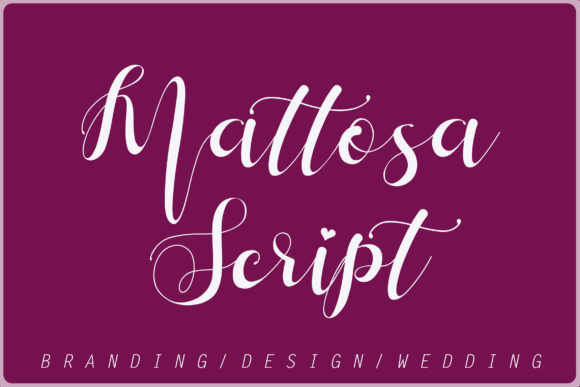
What sets a premium font like Mattosa Script apart from a standard script or a generic handwritten font? The difference lies in its execution. Many script typefaces can feel stiff or overly formal, while some handwritten fonts sacrifice legibility for character. Mattosa Script strikes a deliberate balance. Its letterforms flow with a confident, yet relaxed, cursive rhythm. You can see the subtle variation in stroke thickness, the gentle connections between characters, and the organic baseline that mimics real pen-on-paper movement. This careful construction is what elevates it from a simple novelty to a versatile and sophisticated typeface.
This visual personality makes it an incredibly effective display font. It’s designed to be used for headlines, logos, and branding elements where it can be seen at a larger size and fully appreciated. Think of a wedding invitation suite where the names of the couple are set in a beautiful, flowing script—it immediately establishes a tone of elegance and personal care. That same principle applies to a product label for artisanal goods, a social media quote graphic, or the hero text on a boutique website. The font does more than convey words; it communicates a feeling.
From Brand Identity to Packaging Design
For small business owners and entrepreneurs, building a memorable brand identity is paramount. Your typography is a cornerstone of that identity. Choosing a typeface like Mattosa Script for your logo or primary brand font can instantly define your brand's voice as approachable, creative, and human. Imagine a local coffee roaster, a handmade jewelry shop, or a freelance photographer using this font. It tells customers there's a real person behind the business who cares about craft and detail. This is a key part of modern typography—using fonts to build a narrative.
Consider its application in packaging design. A gourmet bakery could use Mattosa Script on its boxes and bags to evoke a sense of homemade quality. A cosmetics brand might use it for a limited-edition product line to suggest a personal, curated touch. When paired with a clean, simple sans serif font for body text, the script becomes a powerful focal point that draws the eye and communicates the product's essence without a single extra word. This kind of strategic font pairing is essential for creating a cohesive and professional presentation.
Bringing Digital and Print Projects to Life
The utility of a creative font like this extends far beyond physical branding. In the digital realm, it can dramatically enhance engagement. On social media, a quote or call-to-action set in Mattosa Script can stop a user from scrolling. It adds a layer of personality to Instagram posts, Facebook headers, and Pinterest graphics that a standard system font simply cannot provide. For bloggers and content creators, it can be used for section headings or title graphics to break up text and add visual interest, making content more inviting to read.
For web design, using a script font requires a thoughtful approach to readability. It’s generally not suited for long paragraphs of body copy. Instead, it shines when used for hero text on a landing page, for call-to-action buttons, or for stylistic headings. A web designer might pair it with a highly legible serif font for articles or a geometric sans serif for a clean, modern look. The key is to use the script font as an accent—a design element that adds flair and directs the user's attention, while relying on more traditional fonts for the heavy lifting of information delivery.
Practical Guidance for Using a Script Typeface
Integrating any script font into your projects effectively requires more than just a simple drag-and-drop. Here are a few practical considerations to keep in mind to ensure your designs are both beautiful and functional.
- Test for Readability: Always view your text at the actual size it will be used. A font that looks gorgeous in a 72-point headline might become an illegible blur in a 14-point caption. Ensure your audience can read it effortlessly.
- Master the Font Pairing: A script font is a star performer, but it needs a supporting cast. Pair it with a neutral, easy-to-read typeface. A classic combination is a script with a sans serif (like Helvetica, Proxima Nova, or Open Sans) for a modern feel, or with a traditional serif (like Garamond or Georgia) for a more classic, elegant look.
- Explore the Included Styles: A well-crafted premium font often comes with more than just the basic letters. Look for stylistic alternates, swashes, and ligatures. These extra glyphs can give you more creative control, allowing you to customize the look of specific words or letters for a truly unique result.
- Understand the Licensing: If you plan to use the font for commercial projects—a client’s logo, merchandise for sale, or marketing materials—always confirm the license. A commercial font license ensures you have the legal right to use the typeface in your professional work, protecting both you and your client.
Ultimately, the goal of choosing a specific typeface is to enhance communication. Whether you are designing a wedding invitation, building a brand for a new startup, or creating marketing assets for a campaign, the fonts you select play a critical role in how your message is received. A typeface with a distinct personality, like a well-designed script, offers a way to build visual consistency and brand recognition across all your touchpoints. It’s a design asset that, when used thoughtfully, can help your work feel more professional, more engaging, and unmistakably yours.