Miguela Script: A Fresh Take on Casual Lettering
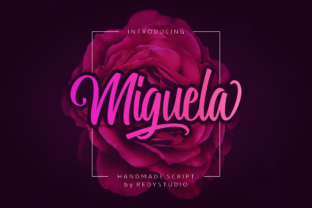
There’s a certain magic in handwriting that feels both effortless and intentional. It’s the kind of script you see on a chalkboard menu in a favorite café, on the packaging of a artisanal candle, or in the logo of a boutique clothing brand. It communicates warmth, personality, and a human touch in a world saturated with sterile, digital precision. This is the space where Miguela Script lives. It’s not just another handwritten font; it’s a casual, fresh script with a dynamic flow designed to help you create stunning lettering typography in an instant. For anyone building a brand, designing marketing materials, or crafting a personal project, this typeface offers a bridge between playful authenticity and professional polish.
The Anatomy of a Dynamic Script
What makes a script font like Miguela feel so alive? It comes down to its construction. Unlike rigid, formal calligraphy, this premium font mimics the natural variations of a hand holding a brush or marker. You’ll notice subtle inconsistencies in the stroke weight—a slight thickening on downstrokes and a tapering on upstrokes. This isn’t a flaw; it’s a feature that injects energy into every word. The connections between letters are fluid, allowing words to flow across a page or screen without feeling forced. This dynamic flow is what enables you to create those amazing lettering typography compositions quickly, whether you’re drafting a logo concept or laying out an invitation. It’s a script font that does much of the creative heavy lifting for you, providing instant character.
Visually, Miguela strikes a balance. It’s casual enough to feel approachable and friendly, yet its consistent baseline and thoughtful spacing ensure it remains highly legible. This is a critical distinction. Many decorative scripts sacrifice readability for style, but a successful design asset must communicate clearly first. Whether set at a large size for a poster headline or scaled down for a tagline on a business card, the letterforms hold their integrity, making it a versatile creative font for a multitude of applications.
From Brand Identity to Packaging: Where Miguela Shines
Understanding a font’s personality is one thing; knowing where to apply it is where strategy meets execution. For brand identity work, a script like Miguela can become the cornerstone of a visual system. Imagine it paired with a clean, geometric sans serif font for a lifestyle brand. The script handles the logo and key emotional messaging, while the sans serif takes care of body copy and detailed information. This font pairing creates a hierarchy that is both visually interesting and functionally sound. It tells a story: the script says “we’re creative and personal,” while the sans serif says “we’re clear and reliable.”
Consider its use in packaging design. For a product like handmade soap, gourmet coffee, or artisanal jam, the label is the first handshake with the customer. Miguela Script can instantly convey the product’s handmade quality and care. It works beautifully on print materials like hang tags, thank-you cards, and product inserts, reinforcing the brand experience beyond the point of sale. In the digital realm, it’s equally effective. Use it for social media graphics to create eye-catching quotes, announcements, or story highlights that feel personal and engaging. On a website, it can be sparingly used for hero section headings or special call-to-action phrases to draw the eye and break up monotony, enhancing overall web design appeal.
Practical Considerations for Real-World Projects
Choosing a font is just the first step. Using it effectively requires a bit of practical know-how. First, always review the full character set of any display font you purchase. Miguela Script, like many quality typefaces, likely includes alternates, ligatures, and stylistic sets. These are alternate versions of certain letters (like a more elaborate swash on a capital ‘M’ or a simplified ‘e’) that you can access in design software like Adobe Illustrator or Photoshop. Using these features allows you to customize the look further and avoid repetitive letterforms, making your typography feel even more bespoke.
Next, think about context and readability. A flowing script is perfect for headlines and short bursts of text, but it’s generally not suited for long paragraphs. The eye needs rests, and dense script text can become a chore to read. This is where your font pairing strategy is vital. Use Miguela for impact and emotion, and pair it with a highly legible serif font or sans serif font for extended copy. Test your pairings at various sizes. Does the script still look elegant when scaled down for a footer? Does the body copy remain comfortable to read when placed next to the more decorative script?
Finally, a crucial and often overlooked aspect: licensing. If you’re using this font for a client project, merchandise for sale, or digital products, you need a commercial font license. Always verify that the license covers your intended use—whether it’s for logos, printed goods, or digital templates. This isn’t just a legal formality; it’s about respecting the craft of type design and ensuring your projects are built on a solid, professional foundation. A font is a core design asset, and proper licensing protects both you and the work you create.
Bringing It All Together
Ultimately, the power of a typeface like Miguela Script lies in its ability to communicate a feeling. It’s a tool for visual consistency, helping you weave a coherent thread of personality across every touchpoint—from a website header to a printed poster, from an email signature to product packaging. This consistency builds brand recognition. When a customer sees that distinctive, friendly script, they begin to associate it with your story and values. It boosts audience engagement because it feels human and relatable in a way that generic system fonts do not.
Whether you’re a small business owner crafting your first logo, a content creator designing a cohesive Instagram feed, or a creative entrepreneur developing a line of merchandise, the right typography is a silent ambassador for your brand. It’s worth taking the time to find a typeface that doesn’t just look good, but feels right. A fresh, dynamic script might be the missing piece that transforms a good project into a memorable one. Explore its character, test its limits, and see how it can help you tell your story with a little more flair and a lot more heart.