Fanny Script: Crafting Visual Stories with Elegance
There’s a certain magic in a design that feels personal. It’s the difference between a generic t-shirt and one that seems to speak directly to you, between a forgettable logo and one that lingers in the mind. This magic often hinges on a single, crucial element: the typeface. Among the sea of options, some fonts manage to strike a rare balance between artistic flair and practical versatility. Fanny Script is one such typeface, a premium font that doesn’t just sit on a design but actively participates in the narrative, offering a blend of handwritten warmth and clean, modern structure that can genuinely transform a project from ordinary to extraordinary.
The Personality Behind the Curves
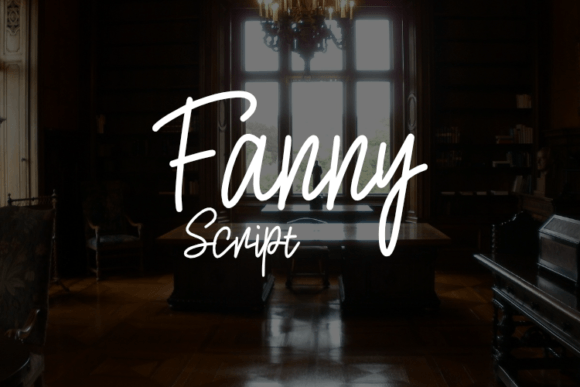
At first glance, Fanny Script feels familiar yet distinct. It’s a script font, yes, but it avoids the overly flourished, hard-to-read pitfalls of many traditional calligraphy styles. Its letterforms are crafted with a confident, fluid stroke that suggests a human hand, but they’re grounded by a consistent baseline and thoughtful spacing. This isn't a chaotic, free-flowing script; it’s a purposeful one. The characters connect in a natural, flowing rhythm, with subtle variations in weight that add depth and authenticity. It carries the charm of a handwritten font but with the legibility and polish required for professional applications. Think of it as the typographic equivalent of a well-tailored jacket—structured enough for business, yet relaxed enough for creative expression.
From T-Shirts to Brand Identities: Where This Typeface Shines
The true test of a creative font is its range. Fanny Script’s design characteristics make it a remarkably versatile tool across a spectrum of applications, moving far beyond its noted strength in t-shirt design. Its unique personality allows it to adapt, serving different roles while maintaining its core identity.
- Branding & Logo Design: For small businesses, especially those in lifestyle, artisan, or boutique sectors, Fanny Script can become the cornerstone of a brand identity. A bakery, a floral studio, or a handmade jewelry line could use it for their logo to instantly communicate craftsmanship, care, and a personal touch. It pairs beautifully with a clean sans serif font for body text, creating a hierarchy that is both engaging and easy to read.
- Packaging & Product Labels: On packaging, typography sells the story before the customer even tastes the product or uses the item. Fanny Script on a coffee bag label, a candle jar, or a skincare product box adds a layer of premium, artisanal quality. It suggests something made with intention, helping a product stand out on a crowded shelf.
- Digital Presence & Social Media: In the fast-scrolling world of social media, stopping power is everything. This typeface excels in Instagram graphics, Pinterest pins, and website headers. Its elegant flow is perfect for quotes, announcement graphics, or sale promotions. It helps maintain visual consistency across platforms, making your digital content feel cohesive and professionally curated. For blogs and websites, it’s an excellent choice for headlines or pull quotes, drawing the reader’s eye and breaking up blocks of text.
- Print & Physical Materials: The appeal of Fanny Script extends to all forms of print design. Wedding invitations, greeting cards, and event posters benefit from its romantic and stylish vibe. For marketing materials like flyers or brochures, it can be used strategically for key messages or calls to action, adding a touch of personality without sacrificing clarity.
- Merchandise & Editorial Layouts: Beyond apparel, it’s ideal for tote bags, mugs, and notebooks. In editorial design, such as magazine layouts or lookbooks, it can be used for feature titles or introductory paragraphs to set a specific, elegant tone.
Making It Work: Practical Typography Tips
Having a beautiful typeface is one thing; using it effectively is another. Integrating a display font like Fanny Script requires a bit of strategy to ensure it enhances, rather than hinders, your design’s communication.
Pairing for Purpose: Never let your script font fight for attention. The most effective font pairing often involves contrast. Combine Fanny Script with a simple, geometric sans serif like Montserrat or a neutral serif like Lora. Use the script for impactful headlines and the companion font for longer body copy. This creates a clear visual hierarchy that guides the viewer’s eye and maintains readability across your design assets.
Legibility is Non-Negotiable: The most common mistake with script fonts is using them at small sizes or for long paragraphs. Reserve Fanny Script for short, high-impact text. Test it at the actual size it will be viewed. If you’re designing a t-shirt, print a sample on paper and hold it at arm's length. For a website, view it on both a desktop monitor and a mobile phone screen. The goal is to retain its elegant character without forcing your audience to squint.
Understand Your License: Before incorporating any commercial font into a client project or product for sale, always review the licensing terms. A premium font like Fanny Script typically comes with a license that permits commercial use, but it’s crucial to understand the specifics. Does it cover web fonts? Are there limitations on the number of end products? Knowing this protects you and your clients legally and ensures you’re using the design asset ethically.
Explore the Full Family: A well-designed typeface often comes with more than just the standard weight. Check if Fanny Script includes stylistic alternates, ligatures, or additional swashes. These extra glyphs are your secret tools for customization. Swapping out a standard “t” for a more decorative alternate or connecting certain letters with a ligature can add a unique, bespoke feel to your final design, making it truly one-of-a-kind.
A Tool for Connection
Ultimately, typography is about communication. The fonts we choose set an emotional tone and convey unspoken messages about quality, personality, and intent. Fanny Script offers a specific voice: one that is approachable, stylish, and human. It doesn’t shout; it invites. For the designer building a brand, the entrepreneur launching a product, or the creator crafting a social media post, it provides a reliable way to inject personality and warmth into a visual message. In a landscape saturated with sterile, impersonal graphics, a typeface that can help you tell a more human story is an invaluable asset in your creative toolkit.