Melly Script: Crafting Visual Stories with Elegant Swashes
There’s a moment in every design project where the typeface either falls flat or breathes life into the canvas. You can have the best imagery, the perfect color palette, and a solid layout, but if the typography feels generic, the whole piece loses its soul. That is where a modern calligraphy script enters the picture. It’s not just about arranging letters; it’s about capturing a mood. Whether you are a freelance designer juggling client briefs, a small business owner building a brand from scratch, or a content creator trying to stand out in a crowded feed, finding a font that balances flair with functionality is a game-changer. We are looking at a specific style today that bridges the gap between handwritten warmth and professional polish—a typeface that promises to add a distinct personality to your work without sacrificing legibility.
The Art of the Swash: Why Details Matter
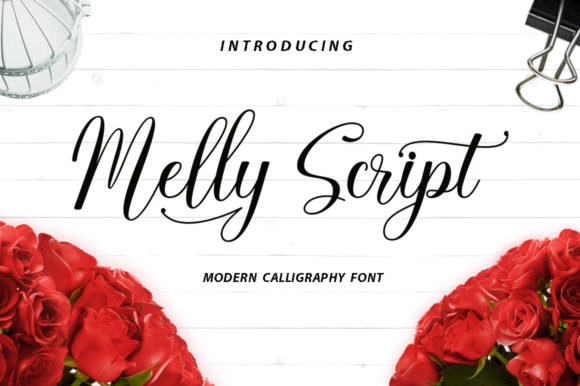
When we talk about modern calligraphy, we aren't just talking about cursive writing. The difference lies in the execution and the extras. A premium font in this category usually comes with a set of beautiful swashes—those extended, sweeping tails on letters like the capital 'S', 'M', or 'y'. These aren't just decorative add-ons; they are structural elements that give the typography movement.
Imagine you are designing a logo for a boutique coffee roaster or a high-end salon. A standard sans serif font might communicate clarity, but it lacks the "handmade" touch that suggests care and craftsmanship. This is where the elegant touch of a script font shines. The swashes allow you to frame the text, creating a visual flow that guides the viewer's eye naturally. It mimics the feel of a signature, which psychologically suggests authenticity and trust. For entrepreneurs, this is vital. You want your brand identity to feel established and trustworthy, even if you just launched last month. The right display font does half the heavy lifting for you, establishing that immediate visual connection before the customer even reads the copy.
Practical Applications: From Packaging to Digital Screens
Versatility is the currency of good design assets. A creative font that only works on a wedding invitation is a niche tool; one that works across multiple platforms is a necessity. Melly Script falls into that latter category because its style adapts well to various mediums, provided you use it with intention.
Let’s break down where this typeface can be most effective in your projects:
- Branding and Logo Design: This is the most obvious use case. For businesses in the lifestyle, beauty, food, or fashion sectors, a script font is often the primary identifier. It works beautifully as a wordmark. However, remember that a logo needs to be scalable. While the swashes look gorgeous on a billboard, ensure the font remains legible when scaled down to the size of a favicon or a social media profile picture.
- Packaging Design: If you are selling physical products, the label is your silent salesperson. A handwritten font style can make a product feel artisanal and premium. Think about craft beer labels, organic skincare jars, or boutique chocolate wrappers. The texture of the script suggests that a human was involved in the process, which adds perceived value to the product.
- Invitations and Event Stationery: For weddings, galas, or even digital event invites, the aesthetic needs to set the tone immediately. This font style screams "celebration" and "elegance." It works well for headers and names, paired with a clean serif or sans serif font for the details like dates and addresses.
- Social Media Graphics: In the fast-scrolling world of Instagram and Pinterest, you have milliseconds to capture attention. A bold, flowing script used for quotes, sale announcements, or headers can stop the scroll. It contrasts sharply with the standard system fonts used by most users, helping your content stand out.
- Merchandise and Apparel: Tote bags, t-shirts, and mugs often rely on typography to make a statement. A modern calligraphy script works well for short, punchy phrases or monograms. It gives the merchandise a trendy, boutique feel rather than a mass-produced look.
Strategic Pairing: Building a Visual Hierarchy
One of the biggest mistakes I see in amateur design is the "font buffet"—using too many different styles that fight for attention. The key to using a display font like Melly Script effectively is pairing it with a quiet partner. You need contrast to create hierarchy.
Because this is a flowing, decorative script, it demands a lot of visual "oxygen." If you pair it with another ornate font, the result will be chaotic and unreadable. Instead, look for a complementary partner.
- The Serif Partner: Pairing a modern script with a classic serif font (like a Garamond or a Playfair Display) creates a timeless, editorial look. This is perfect for book covers, magazine layouts, and sophisticated branding.
- The Sans Serif Partner: For a cleaner, more contemporary vibe, pair the script with a geometric sans serif (like Montserrat or Lato). This is ideal for web design and social media graphics where readability on screens is paramount. The sans serif handles the body text, while the script handles the emotional punch.
When testing your font pairings, pay attention to x-height and weight. You want the two fonts to feel like they belong in the same visual family, even if they are stylistically different. If the script is too thin and the sans serif is too bold, the design will look unbalanced.
Readability: The Non-Negotiable Rule
While we love the aesthetic of a beautiful swash, we cannot ignore the practical side of communication. If your audience can't read the word, the design has failed. This is particularly true for web design and marketing assets where clarity drives conversion.
There is a time and place for everything. A headline like "The Grand Opening" is perfect for a script font. However, using that same font for a paragraph of text explaining your store hours and return policy is a recipe for disaster. Script fonts are generally not designed for long-form reading. The eye struggles to track continuous lines of connected, looping letters.
Practical advice for readability:
- Size Matters: Use the font at a larger size where the details of the letters are distinct. Avoid using it for small print legalese or footers.
- Background Check: Ensure there is enough contrast between the font color and the background. Thin, swirly lines can get lost on busy background images. Try placing the text on a solid shape or a blurred section of the photo.
- Letter Spacing: While script fonts usually have connecting letters, you might need to adjust the tracking slightly if the letters are overlapping awkwardly, though most premium fonts are kerned correctly out of the box.
Licensing and Long-Term Value
For small business owners and entrepreneurs, the legal side of design assets is just as important as the visual side. When you find a font that fits your brand, you need to ensure you have the correct license for how you intend to use it.
Most premium fonts come with different tiers of licensing. A "Desktop" license usually covers things like logos, printed materials, and merchandise where the font is converted to outlines (vectors). A "Webfont" license is required if you want to use the typography on your website using @font-face code. An "App" or "ePub" license is needed for mobile applications or digital books.
Before purchasing, audit your needs. If you are a freelancer, check if the license covers projects for clients. If you are a business owner, ensure your license covers the specific mediums you plan to use. Using a font without the proper license can lead to legal headaches down the road, so it is always better to be upfront and compliant. Think of it as an investment in your brand's infrastructure.
Ultimately, choosing a typeface is a decision that affects how your brand is perceived on a daily basis. It sets the tone for your customer's experience, whether they are unboxing a product or scrolling through your latest blog post. By selecting a versatile, elegant script and applying it with strategic intent, you elevate your project from a simple layout to a cohesive visual story.