Himalaya Script: The Nostalgic Calligraphy for Modern Brands
There is a specific feeling that strikes you when you see a piece of typography that looks like it was written by a human hand, not rendered by a machine. It’s the warmth of a handwritten note or the elegance of a vintage signature. In a digital landscape often dominated by rigid sans-serifs and predictable geometrics, finding a typeface that breathes with personality can transform a project from standard to spectacular. Enter Himalaya Script, a delicate calligraphic font designed specifically to attract attention and evoke those deep-seated feelings of nostalgia and fondness. It isn’t just a set of letters; it is a design asset that brings a luxurious, sweeping elegance to any canvas, blending the charm of the past with the vibrancy of modern design.
The Anatomy of Elegance: Why Himalaya Script Stands Out
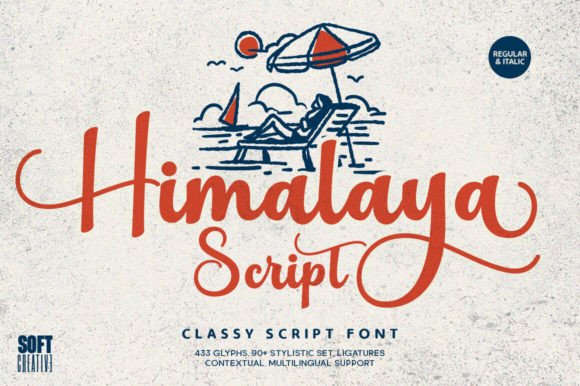
When we talk about a "premium font," we are usually referring to the nuances in its construction. Himalaya Script is defined by its luxurious swirls and sweeping curves. Unlike many rigid digital typefaces, this script font mimics the natural flow of ink on paper. The flourishes are not merely decorative; they are functional, guiding the eye across the text with a rhythmic cadence. This creates a vibrant and cheerful feel that is often missing in corporate design. For designers, this means you have a tool that immediately injects a "fun and light tone" into your layout. Whether you are working on a wedding invitation or a coffee shop menu, the visual texture of this font suggests quality and care. It strikes a balance between being decorative enough to be a display font and readable enough to be used in short bursts of editorial design.
Practical Applications for Branding and Packaging
For small business owners and entrepreneurs, choosing the right typography is a critical part of brand identity. You want a font that speaks to your audience before they even read the words. Himalaya Script is particularly effective for brands that want to convey authenticity, artisanal quality, or a personal touch. Imagine this typeface on packaging design for a boutique candle company, a high-end bakery, or a handmade skincare line. The sweeping curves suggest that the product inside is crafted with attention to detail.
In logo design, legibility is paramount, but so is distinctiveness. A handwritten font like this works beautifully as a primary wordmark for lifestyle brands, fashion boutiques, or creative agencies. However, a practical tip for brand strategists is to pair it wisely. Because Himalaya Script is expressive, it pairs exceptionally well with a clean, geometric sans serif font for body copy. This contrast creates visual hierarchy: the script grabs attention for the headlines, while the sans-serif provides the necessary readability for the details.
Digital Presence: From Social Media to Web Design
Content creators and marketers know that stopping the scroll is the hardest part of the job. On platforms like Instagram or Pinterest, visual consistency is key to building a recognizable brand. Himalaya Script serves as an excellent tool for social media graphics, particularly for quote cards, sale announcements, or headers in Instagram Stories. Its "vibrant and cheerful feel" helps content stand out against the noise of a busy feed.
In web design, the font can be used sparingly to highlight key moments on a landing page. Think of a hero section headline or a "Subscribe" call to action. When integrated into a site’s CSS, it adds a layer of sophistication that standard web-safe fonts cannot match. However, it is vital to consider readability on mobile devices. While the font is beautiful, highly stylized scripts can become difficult to read at small sizes. Therefore, best practice dictates using Himalaya Script for large headlines or pull quotes, rather than for paragraphs of text or navigation menus.
Creative Projects and Editorial Layouts
Beyond the commercial sphere, this typeface is a favorite among hobbyists, crafters, and publishers. If you are designing a magazine cover or an interior layout for a blog, the font adds an editorial flair that feels expensive. It evokes a sense of nostalgia, making it perfect for vintage-themed projects or retro marketing campaigns.
For those creating digital products, such as planners, e-books, or printable wall art, Himalaya Script offers versatility. It can range from a bold, expressive statement to a subtle, delicate accent depending on the weight used. When selecting a style from the font family, look at the alternate characters and swashes included. Many premium fonts include stylistic alternates that allow you to customize the connections between letters, ensuring that your text looks unique rather than repetitive.
Key Considerations for Implementation
Integrating a new script font into your workflow requires a bit of strategy. To get the most out of Himalaya Script, consider these practical points:
- Font Pairing: As mentioned, avoid pairing this script with other ornate fonts, such as a decorative serif font. Instead, stick to neutral, clean fonts like Montserrat, Open Sans, or a simple slab serif to let the script shine without overwhelming the viewer.
- Spacing and Kerning: Because script fonts connect, tracking (letter spacing) is crucial. If you space the letters too far apart, the "handwritten" illusion breaks. Keep the tracking tight or at zero to maintain that connected, calligraphic look.
- Color and Contrast: Himalaya Script looks best in high-contrast settings. Dark text on a light background ensures the thin swirls of the calligraphy don’t get lost. If using it in a logo, ensure it remains legible when printed in a single color or embossed on foil.
- Licensing: Always verify the licensing terms of your design assets. If you are using this for a client’s merchandise or a mass-market product, ensure your license covers commercial use. This protects both you and your client legally.
Ultimately, typography is the voice of your design. Himalaya Script offers a voice that is warm, inviting, and unmistakably stylish. By using it thoughtfully, you can bridge the gap between professional presentation and personal connection, ensuring your projects resonate with your audience on an emotional level.