Willian Script: A Bold Script Font for Modern Brands
There's a particular moment in a design project where everything clicks. You've got the colors right, the layout feels balanced, but the typeface—the soul of the message—is missing. You need something that speaks with personality, something that feels both personal and polished. Enter Willian Script, a typeface that bridges the gap between raw, expressive handwriting and the structured elegance required for professional work. It's not just another script font; it's a tool for adding a distinct voice to your visual language.
The Anatomy of a Modern Script
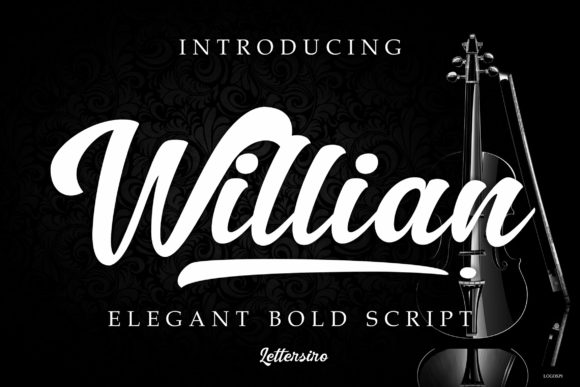
What immediately catches the eye with Willian Script is its confident, flowing form. This isn't a timid, barely-there cursive. It carries a boldness in its strokes, ensuring it commands attention even at smaller sizes. Yet, it maintains an undeniable elegance through its carefully crafted letter connections and subtle swashes. This duality is its greatest strength. It feels handmade and authentic, but it's built with the precision of a premium font, making it far more versatile than a simple handwritten font. The characters have a beautiful rhythm, creating a sense of movement and energy that static serif or sans serif fonts often lack.
Where This Typeface Truly Shines
Understanding a font's personality is one thing; knowing how to apply it is another. The Willian Script excels in projects where you need to inject warmth, creativity, and a human touch. Think beyond just slapping it on a page. Consider its role in your broader design ecosystem.
For brand identity, it’s a game-changer. Imagine a boutique coffee roaster using it for their logo—the script conveys artisanal craft and a personal touch. A wedding planner’s branding could use it to evoke romance and meticulous care. It helps build brand recognition by creating a visual signature that feels unique and memorable. In logo design, it works beautifully as the primary wordmark or as a complementary element paired with a clean sans serif for the business name.
In the realm of packaging design, this script font can elevate a product from ordinary to premium. Picture it on a craft beer label, a boutique candle box, or a gourmet chocolate wrapper. It instantly communicates quality and a story behind the product. For editorial design—think magazine headers, pull quotes, or chapter titles—it adds a layer of sophistication and breaks the monotony of body text.
The digital space is where its versatility really expands. As a web design asset, it can be used strategically for hero section headlines, call-to-action buttons, or special announcement banners to draw the user's eye. For social media graphics, it’s perfect for creating standout quotes, promotional offers, or Instagram story text that pops. The key is to use it for short, impactful phrases where its personality can shine without compromising readability for longer paragraphs.
Practical Advice for Seamless Integration
Adopting a new typeface like Willian Script into your workflow requires a bit of strategy. Here’s how to make it work for you, not against you.
Font Pairing is Everything. A bold script demands a quiet partner. The most effective combinations often involve a neutral, geometric sans serif font (like Montserrat or Poppins) or a simple, clean serif (like Lora or Playfair Display). Use the script for headlines or key accents and the complementary font for body copy. This creates a clear hierarchy and ensures your message remains easy to read. Always test pairings in context—see how they look together in a mock-up of your actual project.
Readability is Non-Negotiable. While Willian Script is designed for clarity, all script fonts require careful consideration. Avoid using it for large blocks of body text or very small font sizes. Its strength is in display use. Pay close attention to letter spacing and line height. Sometimes, a slight increase in tracking can improve legibility, especially in digital formats. Always view your designs on multiple devices to ensure the text renders crisply.
Leverage All Its Styles. A quality creative font like this often comes with more than just the standard weight. Check for alternates, swashes, ligatures, and possibly a set of ornamental flourishes. These extras are not just decorations; they are tools. An alternate 'g' or 's' might suit your logo better. Swashes can add flair to the end of a word in a poster headline. Using these features thoughtfully can make your typography feel truly custom and professional.
Understand the License. Since this is a commercial font, its use is governed by a license. Before you start a project for a client or for merchandise you plan to sell, confirm what the license allows. Does it cover digital products, physical goods, and unlimited print runs? Knowing this upfront prevents legal headaches later and is a hallmark of a professional designer or business owner. It’s a critical part of treating typography as a valuable design asset.
Beyond the Obvious: Unexpected Applications
While the initial list of uses—logos, posters, invitations—is spot on, thinking creatively can uncover even more value. Use Willian Script to design unique digital products, like printable art quotes or customizable templates for Etsy. It can add a personal touch to marketing assets such as email newsletter headers or PDF lead magnets. For content creators and bloggers, it can style chapter titles in an e-book or create a signature look for your blog post graphics, enhancing your overall visual consistency.
Ultimately, choosing a typeface like this is about aligning your visual communication with your project's core goals. It’s for the designer who wants to evoke emotion, the entrepreneur building a relatable brand, and the marketer crafting campaigns that feel genuine. Willian Script offers a powerful blend of character and utility, providing that missing piece to make your creative projects not just seen, but felt.