Humaira Script: Adding Authenticity to Your Visual Identity
There is a specific moment in every design project where the personality of the brand needs to break through the noise. It usually happens when the layout is clean, the images are high quality, but something feels slightly too mechanical or cold. This is where the human touch becomes essential. We often look to photography or illustration to add warmth, but typography is equally powerful in conveying emotion. The goal is to find a typeface that doesn't just sit on the page but actually speaks with a distinct voice. For designers, entrepreneurs, and creators aiming for that authentic, handcrafted aesthetic, finding the right script font can be a game-changer for the entire visual strategy.
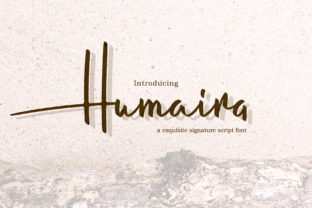
The Humaira is an exquisite signature font designed to bridge the gap between digital precision and organic handwriting. It is not merely a collection of letters; it is a design asset crafted to mimic the natural flow of ink on paper. What makes this typeface particularly versatile is its construction. It comes in two distinct styles that can be used individually or mixed and matched to create a dynamic visual hierarchy. This flexibility allows you to maintain a cohesive look while varying the emphasis, ensuring your designs never look static or repetitive.
Understanding the Dual-Style Nature of the Typeface
When selecting a premium font for a branding project, versatility is just as important as beauty. A common struggle with script fonts is that they can be difficult to read in long sentences or look too chaotic when used for multiple lines of text. The Humaira Script addresses this by offering two complementary variations. You might choose one style for the main headline—perhaps a wedding invitation or a hero image on a website—and use the secondary style for subheadings or accents.
This approach allows for a natural rhythm in your design. Imagine creating a logo for a boutique coffee shop or a lifestyle brand. You can use the primary flowing style for the brand name to convey elegance, and the secondary style for the tagline to add a touch of casual realism. This layering technique is a staple in modern typography because it adds depth and sophistication without requiring additional graphic elements. It transforms a flat design into a living, breathing composition.
Real-World Applications for Entrepreneurs and Creatives
The utility of a handwritten font extends far beyond simple aesthetics. For small business owners and content creators, the right typeface is a functional tool that solves specific communication problems. Here is how a signature-style font like this fits into various commercial and creative contexts:
- Packaging Design: In a crowded marketplace, shelf appeal is everything. A script font can instantly communicate "artisanal," "handmade," or "premium." Whether you are labeling candles, skincare products, or gourmet foods, the organic curves of the lettering suggest care and quality.
- Social Media Graphics: On platforms like Instagram and Pinterest, visual consistency builds trust. Using a cohesive font pairing helps your audience recognize your content instantly as they scroll. The natural style of the font works beautifully for quotes, testimonials, or promotional overlays on photography.
- Web Design and Blogs: While body text should always prioritize readability with a clean sans serif or serif font, headers and pull quotes are perfect places for a display font. It breaks up the monotony of the text and guides the reader’s eye to the most important information.
- Merchandise: T-shirts, tote bags, and mugs often rely on typography. A signature font gives merchandise a trendy, personalized feel that appeals to a younger demographic looking for unique expression.
Strategic Font Pairing and Readability
One of the most common mistakes in design is using a script font for everything. While the Humaira Script is legible and well-crafted, it is designed to be a display font, meaning it shines brightest in headlines, logos, and short phrases. To ensure your message is received clearly, you must practice strategic font pairing.
A general rule of thumb is to contrast your styles. If you have an intricate, flowing script, pair it with a simple, geometric sans serif. The contrast ensures that the script stands out as the focal point while the secondary font provides a clean foundation for longer descriptions. For example, if you are designing a menu for a restaurant, use the script for the dish names to make them sound appetizing and special, but use a standard sans serif for the ingredients and prices to ensure customers can read the details quickly.
Readability is paramount, especially in web design. Before finalizing your layout, always test your typography at different sizes. A font that looks gorgeous on a desktop monitor might become illegible on a mobile screen if the x-height is too low or the swashes are too complex. Review the included font styles to see if there are alternate characters available that might simplify the look for smaller applications.
Enhancing Brand Recognition and Professionalism
Visual consistency is the backbone of brand identity. When a customer sees your logo, your website, and your Instagram feed, they should feel a sense of familiarity. By integrating a specific typeface like Humaira into your design assets, you create a thread that ties all your marketing materials together.
This consistency signals professionalism. It shows that you have paid attention to the details. For a photographer, using this font for watermarks or client presentation folders adds a personal touch that feels high-end. For a digital product creator, such as someone selling planners or educational PDFs, a handwritten font can make the product feel accessible and friendly, encouraging users to engage with the material.
It is also worth considering the emotional resonance of the letterforms. Typography has a psychology. Serif fonts often imply tradition and authority, while sans serif fonts suggest modernity and cleanliness. Script fonts, particularly signature styles, evoke intimacy, creativity, and personal connection. If your brand values are rooted in authenticity and human connection, this style of typography is not just a decoration; it is a direct reflection of your brand’s voice.
Licensing and Technical Considerations
Before incorporating any new font into your workflow, it is crucial to understand the technical specifications and licensing terms. A "free for personal use" license is common, but if you are creating assets for a business, selling merchandise, or using the font in client work, you need a commercial license. Always verify that the license covers your intended use cases, such as print-on-demand services or large-scale distribution.
Furthermore, check the file formats. A high-quality premium font should ideally come with OpenType (OTF) or TrueType (TTF) files, and potentially a Web Font format (WOFF/WOFF2) for website integration. The availability of PUA (Private Use Areas) encoding is also beneficial, as it allows you to access special characters and swashes even without professional design software like Adobe Illustrator or Photoshop.
Ultimately, choosing a font is about finding a partner for your message. The Humaira Script offers a blend of elegance and usability that serves a wide range of creative needs. By mixing its styles thoughtfully and pairing it with complementary typefaces, you can elevate your designs from standard templates to bespoke visual experiences that capture attention and communicate your brand’s unique story. It is a valuable addition to any designer's toolkit, ready to bring a natural, human element to the digital canvas.