The Handwritten Charm of Natasha Script
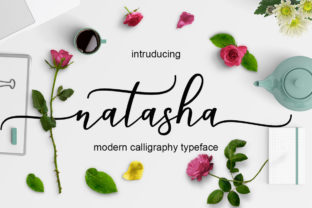
There’s a certain warmth that comes with seeing something truly handwritten. In a world saturated with crisp, digital precision, the organic flow of a calligraphed name or a carefully penned message feels personal, inviting, and distinctly human. This is the exact feeling the Natasha Script typeface captures so beautifully. It’s more than just a collection of letters; it’s a fresh and modern script font designed to inject a sense of elegance and authenticity into any project it touches. With its classy calligraphy style and a suite of amazing decorative characters, this handwritten font offers a versatile tool for anyone looking to create designs that connect on a more emotional level.
What makes a script font like this one stand out is its ability to bridge the gap between formal elegance and approachable charm. The carefully crafted ligatures and swashes give it a polished, professional feel, while the inherent irregularities of its handwritten style keep it from looking sterile. This balance is crucial for modern design, where audiences crave both sophistication and genuineness. Whether you’re a small business owner crafting a brand identity or a designer working on editorial design, the right typeface can make all the difference in telling your story effectively.
A Font for Every Creative Vision
The true test of a premium font is its range of application. A beautiful design is wonderful, but if it only works in one context, its value is limited. Here is where this particular creative font demonstrates its strength. Its visual personality is adaptable enough to serve a wide array of projects, making it a valuable asset in any designer's toolkit.
Consider the world of branding. For a boutique, a bakery, a wedding planner, or a lifestyle coach, the logo is often the first handshake with a potential client. Using Natasha Script for a logo or primary wordmark instantly communicates a brand that values craftsmanship, personal touch, and aesthetic care. This display font style ensures the name is memorable and imbued with personality, helping to build immediate brand recognition. It works exceptionally well for businesses in the beauty, fashion, food, and event industries.
Beyond the logo, this handwritten style excels in packaging design. Imagine a coffee bag, a candle label, or a box of artisanal chocolates. The script can be used for the product name, adding a layer of perceived quality and artisanal care that plain text simply cannot achieve. It tells the customer, “This was made with thought.” This principle extends to all physical marketing materials. Business cards feel more personal, and posters for local events or sales gain a dynamic, energetic flair.
From Digital Screens to Printed Pages
In the digital realm, the applications are just as compelling. Social media graphics need to stop the scroll, and a striking, elegant script can do just that. Use it for quotes, promotional announcements, or story highlights to create a cohesive and visually appealing feed. For web design, it can be used sparingly but effectively for main headings, hero sections, or call-to-action buttons on a homepage to draw the eye and set a specific tone. Paired with a clean sans serif font for body text, it creates a beautiful hierarchy that is both stylish and functional.
For bloggers and content creators, integrating this script font into blog graphics, lead magnet covers, or digital product titles can significantly elevate the perceived value of the content. It helps in creating a consistent visual language that readers come to associate with your unique voice and style. Similarly, for those creating digital products like planners, worksheets, or e-books, a touch of this elegant script on the cover or section headers adds a professional, polished finish.
Making It Work: Practical Typography Advice
Choosing a beautiful font is only the first step. Using it effectively is what separates good design from great design. Here are a few practical considerations to keep in mind when working with a handwritten font like this one.
First, think about readability. While script fonts are gorgeous, they are best used for headlines, short phrases, or accent text rather than large blocks of body copy. The goal is to enhance your message, not hinder it. Always test your text at the size it will be viewed. A line of script that looks perfect on your desktop screen might become an illegible squiggle on a mobile device or a small product label.
Second, master the art of font pairing. A strong script font needs a partner that complements it without competing. The general rule is to contrast, not clash. Pairing Natasha Script with a simple, geometric sans serif font (like Montserrat or Lato) or a classic, readable serif font (like Garamond or Playfair Display) often yields the best results. The script brings the personality, while its partner ensures clarity and visual consistency across the project.
Finally, explore all the included styles and characters. A quality commercial font often comes with alternates, ligatures, and stylistic sets. These extra glyphs are your secret weapon for customization. Swapping out a standard ‘h’ for one with a more elaborate tail, or connecting certain letters with a unique ligature, can make your typography feel truly bespoke and tailor-made for your brand identity.
The Final Word on Choosing Your Typeface
Selecting a typeface is a foundational decision in any design process. It sets the mood, communicates values, and guides the viewer’s eye. A font like Natasha Script is a powerful tool for projects that aim to feel personal, elegant, and modern. It’s a design asset that can help improve professional presentation and deepen audience engagement by speaking a visual language of warmth and craftsmanship.
Before you finalize your choice, always review the licensing. Ensure the font’s license covers your intended use, whether it’s for a personal blog, client work, or products for sale. Taking this step protects your work and supports the talented typographers who create these tools. With the right font in your arsenal, you’re not just arranging letters on a page—you’re building an experience, one beautiful, flowing stroke at a time.